Get Deep Foundation Installation
Deep foundation installation services help property owners strengthen and stabilize structures for projects like new buildings, extensions, or renovations by addressing soil and support challenges.
If you’re planning a construction project or property improvement, ensuring a solid foundation is a crucial step. Deep foundation installation services are often necessary for structures that require stability on challenging soil conditions or for projects involving significant load-bearing needs. Property owners in the area might explore these options to support new buildings, additions, or renovations, aiming to enhance safety and longevity. By considering local contractors specializing in deep foundations, you can evaluate available expertise and solutions tailored to your project’s specific requirements.
Exploring your options for deep foundation installation involves comparing local service providers who understand the regional soil profiles and construction challenges. Working with experienced contractors can help ensure the job is done properly, providing peace of mind during your planning process. Keep reading to discover how local professionals can assist with your foundation needs, offering reliable solutions for your property’s structural stability.
- Residential Foundations - homeowners may need deep foundation installation services when building new homes or upgrading existing structures.
- Commercial Buildings - businesses requiring stable support for large-scale commercial developments often seek deep foundation solutions.
- Industrial Facilities - industrial projects with heavy equipment or storage needs may require specialized deep foundation work.
- Retaining Walls - projects involving significant soil support or elevation changes might need deep foundations for stability.
- Bridges and Infrastructure - infrastructure developments such as bridges or overpasses often depend on local contractors for deep foundation installation.
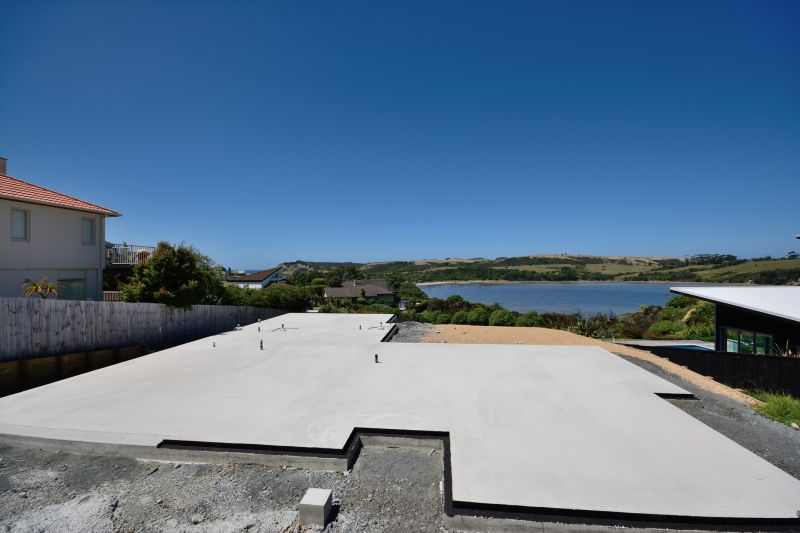
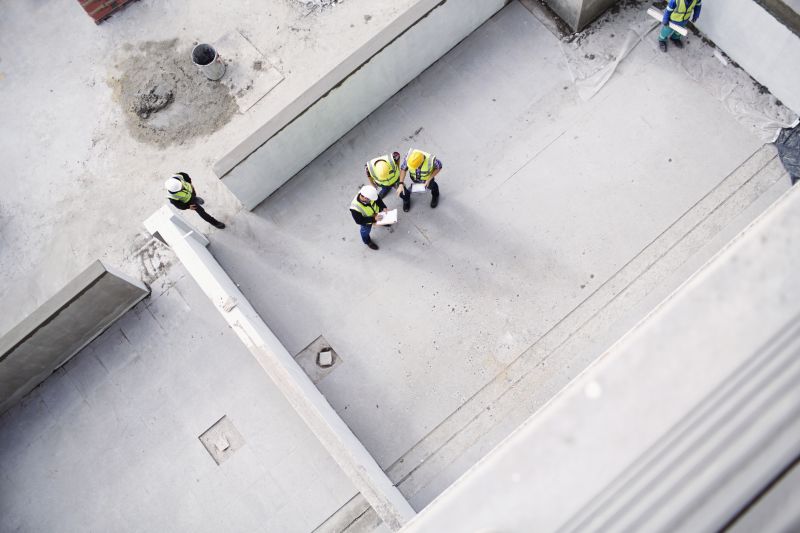
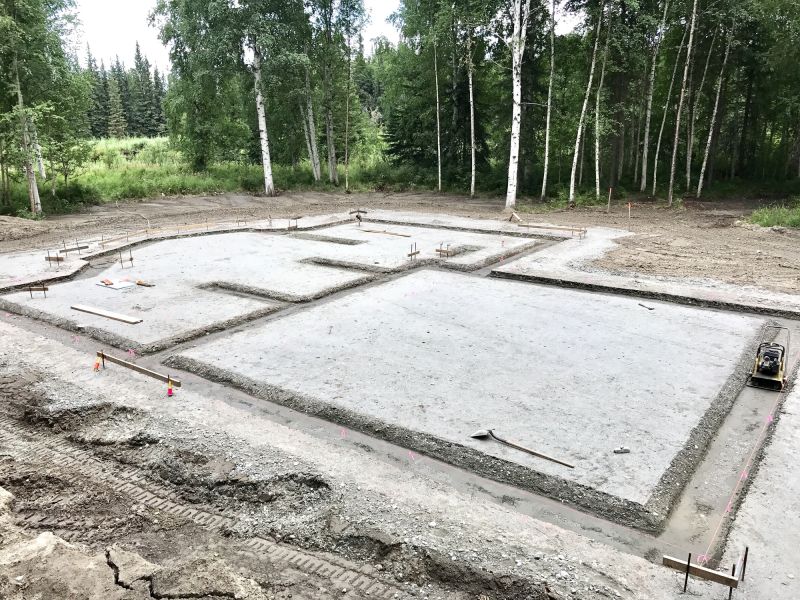
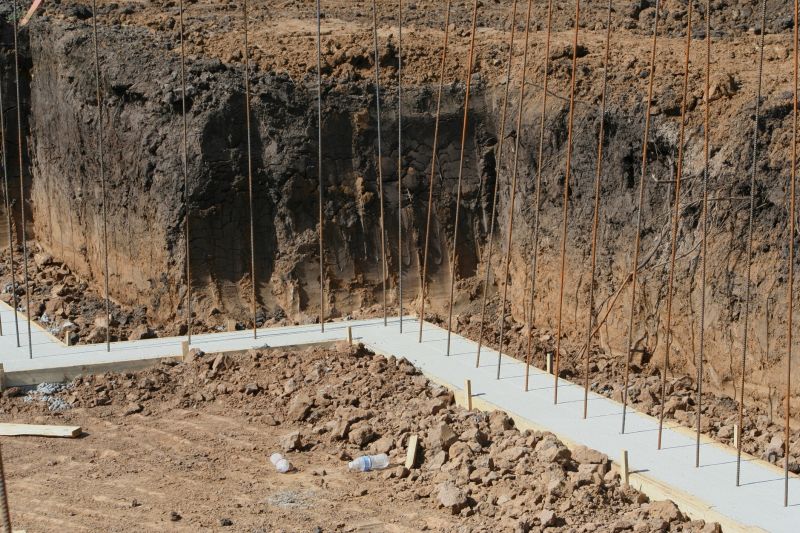
Deep foundation installation services involve the process of securely anchoring a building or structure into the ground to ensure stability and safety. This typically includes driving or drilling deep into the soil to place supports such as piles, piers, or drilled shafts. These supports transfer the weight of the property down to more stable soil layers or bedrock, helping to prevent settlement, shifting, or collapse. Contractors use specialized equipment and techniques tailored to the soil conditions and the specific requirements of each project, ensuring a solid foundation that can support the structure for years to come.
This service is essential for addressing a variety of ground-related issues that can threaten the integrity of a property. For example, properties built on unstable or compressible soil may experience uneven settling, leading to cracks in walls or uneven floors. Deep foundation installation can mitigate these problems by providing additional support beneath the surface, stabilizing the ground, and preventing future shifting. It is also used to support structures in areas prone to flooding or where the soil is too weak to bear the weight of a building without reinforcement, ensuring safety and durability.
Typically, deep foundation installation services are used for residential homes, commercial buildings, and industrial facilities. Homeowners planning to build on a sloped lot or in regions with poor soil conditions often require these services to ensure their property remains stable over time. Developers and property managers may also seek deep foundations for large-scale projects or renovations that involve adding significant weight or height to existing structures. By choosing experienced local contractors, property owners can ensure that the foundation work is tailored to the specific needs of their property and local ground conditions.
Understanding when deep foundation installation is necessary can help homeowners and property developers make informed decisions about their projects. If there are signs of ground instability, such as noticeable cracks, uneven floors, or doors and windows that don’t close properly, it may be time to consult with a professional. Local service providers can evaluate the soil and structural requirements to recommend the appropriate foundation solutions. Proper foundation support not only enhances the safety and longevity of a property but also helps prevent costly repairs caused by ground movement or settling over time.
The overview below groups typical Deep Foundation Installation projects into broad ranges so you can see how smaller, mid-sized, and larger jobs often compare in your area.
In many markets, a large share of routine jobs stays in the lower and middle ranges, while only a smaller percentage of projects moves into the highest bands when the work is more complex or site conditions are harder than average.
Small-Scale Installations - Typical costs for smaller deep foundation projects, such as individual pier or footing installations, generally range from $250 to $600. Many routine jobs fall within this range, though prices can vary based on site conditions and material choices.
Moderate Projects - Medium-sized foundation installations, including partial basement supports or multiple piers, often cost between $1,500 and $3,500. These projects are common and represent a significant portion of local contractor work.
Large or Complex Jobs - Larger or more intricate foundation work, like full basement or underpinning projects, can typically range from $4,000 to $8,000. Fewer projects reach into this higher tier, which usually involves additional site preparation or specialized techniques.
Full Replacement or Custom Foundations - Complete foundation replacements or custom deep foundation systems can exceed $10,000, with some complex projects reaching $20,000 or more. These tend to be less frequent but are necessary for significant structural upgrades or severe issues.
Actual totals will depend on details like access to the work area, the scope of the project, and the materials selected, so use these as general starting points rather than exact figures.
Pile Driving Projects - These projects involve driving large piles into the ground to support structures, requiring similar skills in soil assessment and heavy equipment operation as deep foundation installation.
Retaining Wall Construction - Building retaining walls often requires soil stabilization and foundation planning comparable to deep foundation services, utilizing similar tools and site analysis.
Underground Utility Installation - Installing underground utilities involves precise excavation and ground stabilization techniques that align with the planning and equipment used in deep foundation work.
Basement Excavation and Support - Excavating and supporting basement structures demands knowledge of soil conditions and foundation support methods akin to those used in deep foundation projects.
Soil Stabilization and Ground Improvement - Techniques to improve soil strength and stability are related to foundation installation, often requiring similar planning and equipment handling.
Pier and Caisson Construction - Installing piers and caissons for various structures involves deep drilling and foundation support methods comparable to deep foundation installation services.
When comparing local contractors for deep foundation installation, it’s important to consider their experience with similar projects. Homeowners should seek service providers who have a proven track record of handling foundation work comparable to their specific needs. Asking about past projects can help determine if a contractor has the relevant expertise and familiarity with the challenges associated with deep foundation systems, ensuring the chosen professional is well-equipped to manage the scope and complexity of the work.
Clear, written expectations are essential when evaluating potential service providers. Homeowners should request detailed proposals or scope of work documents that outline the services to be performed, materials to be used, and any relevant project milestones. Having these details in writing helps prevent misunderstandings and provides a basis for comparing different contractors’ offerings. This transparency allows homeowners to assess the professionalism of each contractor and ensure that all project requirements are clearly communicated and agreed upon before work begins.
Reputation and communication are key factors in selecting the right contractor for deep foundation installation. It’s advisable to seek references or reviews from previous clients to gauge the quality of work and customer satisfaction. Good communication throughout the process-prompt responses, clear explanations, and willingness to address questions-can significantly influence the overall experience. Engaging with service providers who prioritize open dialogue and have a reputation for reliable service can help ensure a smoother project from start to finish.
Property owners use Deep Foundation Installation services for practical projects around their homes and businesses. This guide focuses on everyday jobs and straightforward project options.
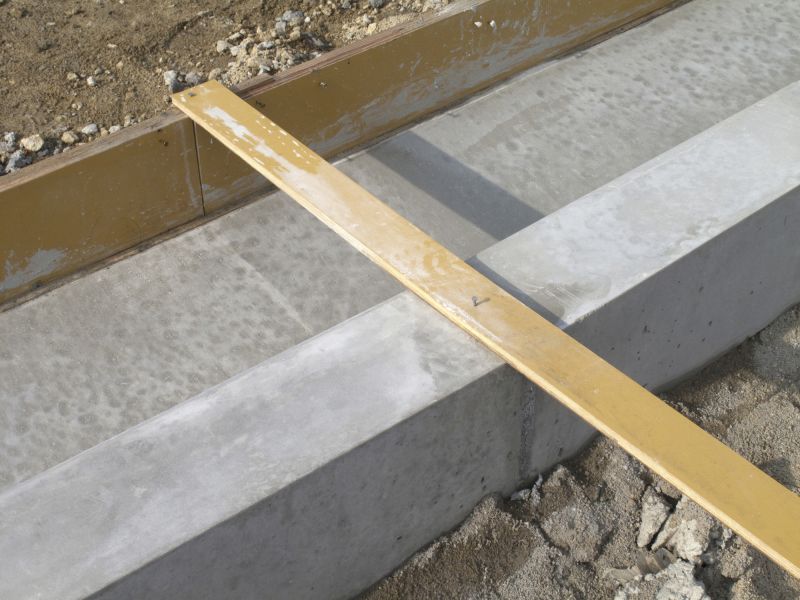
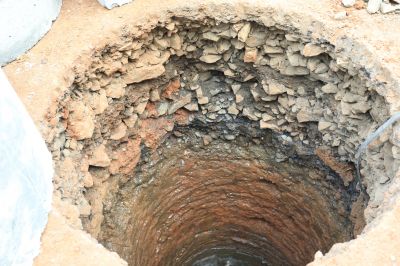
Deep foundation installation services are often needed when property owners are planning new construction, additions, or significant renovations. These projects require a stable base to support structures and prevent settling or shifting over time. Local contractors who specialize in foundation work can assess soil conditions and determine the best type of deep foundation, such as piles or drilled shafts, to ensure long-term stability and safety.
Homeowners and property managers might seek deep foundation installation when dealing with challenging soil types, such as loose or clayey ground, or when building on uneven terrain. Additionally, properties experiencing signs of foundation movement or settlement may require professional intervention to reinforce or replace existing supports. Connecting with experienced local service providers can help address these common project needs effectively.
What are deep foundation installation services? Deep foundation installation services involve placing sturdy supports such as piles or piers to provide stability for structures like buildings and bridges, especially in challenging soil conditions.
How do local contractors determine the right type of foundation support? They assess soil conditions, load requirements, and project specifications to recommend the most suitable foundation support options for the specific site.
What methods are commonly used for deep foundation installation? Common methods include driven piles, drilled shafts, and auger cast piles, selected based on the project's needs and site conditions.
Why is proper deep foundation installation important? Proper installation ensures the stability and safety of the structure by transferring loads effectively to stable soil or bedrock beneath the surface.
How can I find local service providers for deep foundation installation? This website helps connect with local contractors who specialize in deep foundation services, allowing comparison and selection based on project needs.
Foundation Stabilization - Property owners can explore options to reinforce or stabilize existing foundations to prevent shifting or settling issues.
New Construction Support - Those planning to build additions or new structures can find contractors experienced in installing deep foundations for stability.
Basement or Crawl Space Support - Homeowners with damp or uneven basements and crawl spaces may consider deep foundation solutions to improve durability.
Retaining Wall Installation - Property owners can look into installing retaining walls with deep foundations to manage soil pressure and prevent erosion.
If you are thinking about Deep Foundation Installation for a property, this guide is meant to help you understand the work, the typical project types, and how different options might fit your plans.
When you are ready, you can use the quote form on this page to share a few details about your project. From there, local pros can review the basics and respond with options that match what you have in mind.